Lives
Seventeen people, in the order they lived. Each card points back to the chapter that tells the story.
17 shown
died about 630
The Negus, Ashama ibn Abjar
Aksum, Abyssinia
The Christian king who heard Ja’far recite the chapter of Mary and refused to hand the Muslim refugees back to Quraysh. When he died, the Prophet, peace be upon him, prayed the funeral prayer for him in Madinah and called him a brother.
Chapter I: The First Refugedied about 640
Bilal ibn Rabah
Makkah, Madinah, Syria
Son of an Abyssinian mother, enslaved in Makkah, tortured for his faith and freed by Abu Bakr. He was the first to call the adhan, and the Prophet heard his footsteps ahead of him in Paradise.
Chapter I: The First Refugeseventh century
Umm Ayman, Barakah
Makkah and Madinah
Described in the sources as Abyssinian. She cared for the Prophet in his childhood after his mother died, emigrated to Madinah, and raised Usama ibn Zayd.
Chapter I: The First Refugeninth century, by tradition
Fatima al-Fihri
Fez
By tradition, the daughter of a family from Kairouan who spent her inheritance founding the mosque of al-Qarawiyyin in 859. Historians debate the details. The school has not closed since.
Chapter II: Houses of Learning922 to 996
Ibn Abi Zayd al-Qayrawani
Kairouan
Jurist of Kairouan and author of the Risala, the short handbook of Maliki law that West African children memorized for a thousand years. Bilali Muhammad wrote parts of it from memory in Georgia.
Chapter II: Houses of Learning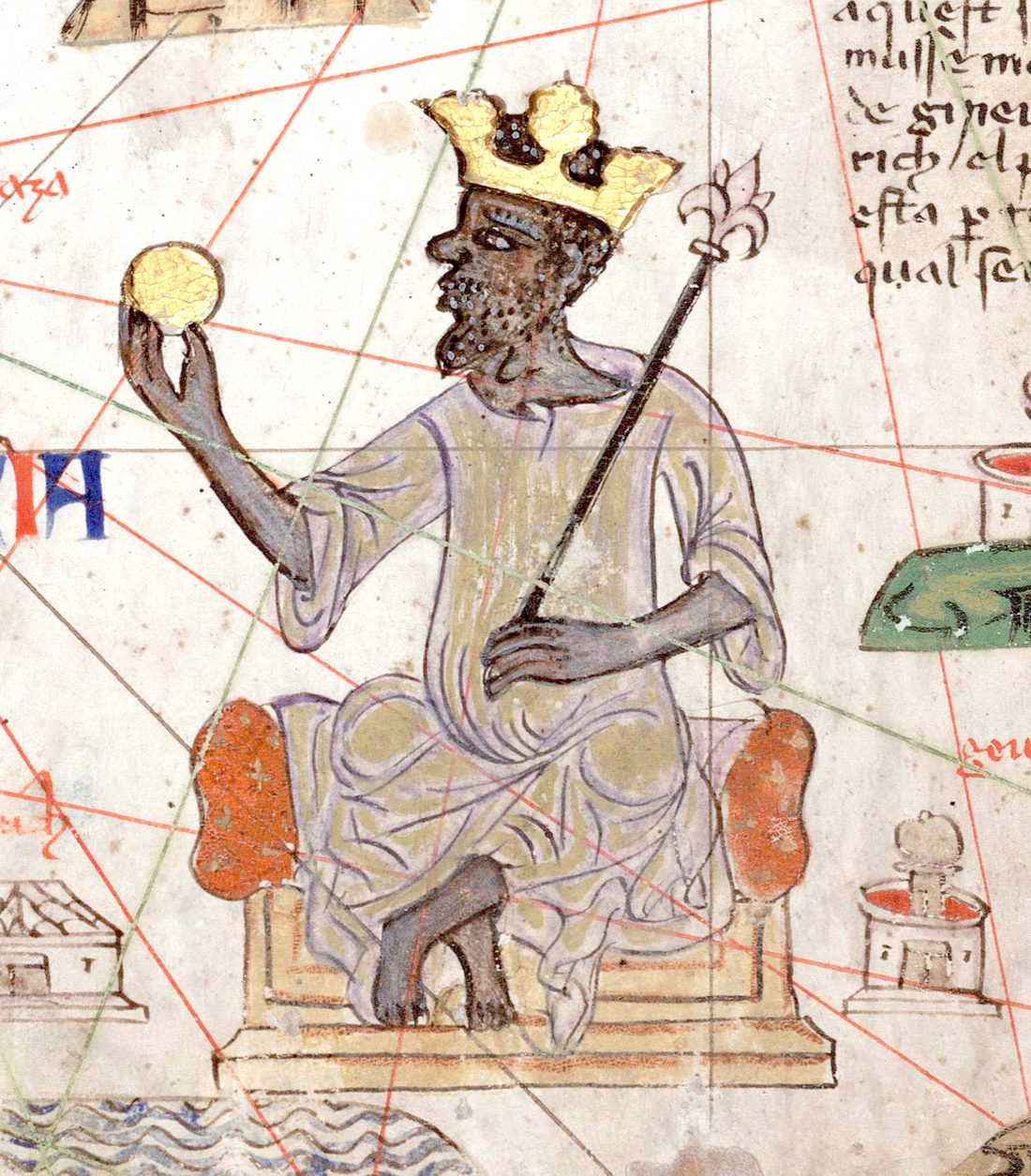
ruled about 1312 to 1337
Mansa Musa
Mali
King of Mali whose pilgrimage of 1324 passed through Cairo and left the gold market unsettled for years. He brought scholars and books home, and a mapmaker in Majorca drew him holding gold.
Chapter III: Kingdoms and Roads1304 to about 1369
Ibn Battuta
Tangier
Left Tangier for the pilgrimage at twenty-one and, by his own account, traveled for about twenty-nine years. He saw Kilwa and Mogadishu about 1330 and crossed the Sahara to Mali in 1352.
Chapter III: Kingdoms and Roads1556 to 1627
Ahmad Baba
Timbuktu and Marrakesh
Timbuktu’s most famous scholar. Deported to Marrakesh after the Moroccan conquest, he taught there in exile and came home in 1608.
Chapter II: Houses of Learning1754 to 1817
Usman dan Fodio
Hausaland
Scholar and preacher whose reform movement of 1804 founded the Sokoto Caliphate. He and his family left hundreds of written works.
Chapter III: Kingdoms and Roads1793 to 1864
Nana Asma’u
Sokoto
Poet and teacher in three languages. About 1830 she organized the jajis, women who traveled between villages to teach other women, using her verse as the curriculum.
Chapter II: Houses of Learning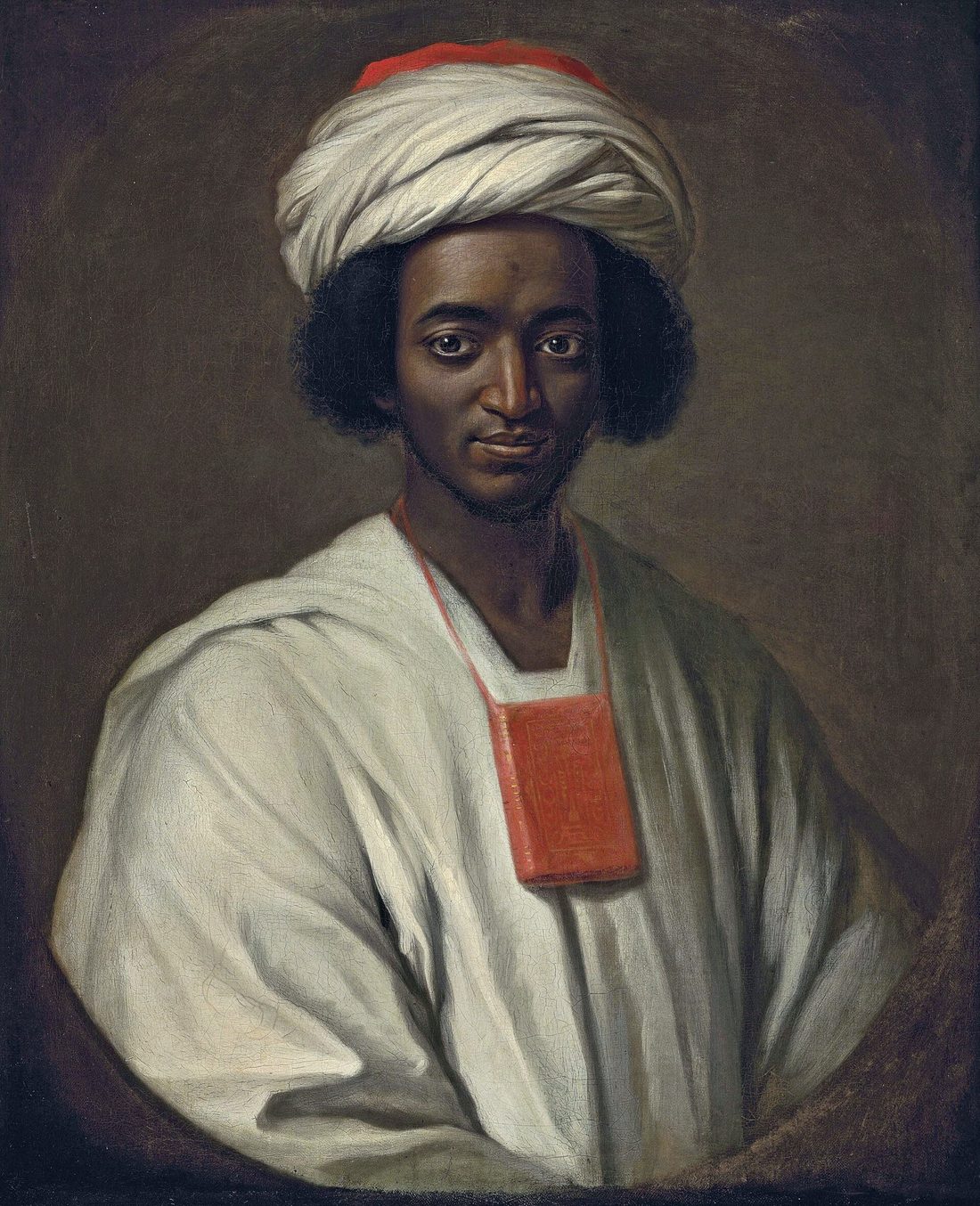
about 1701 to 1773
Ayuba Suleiman Diallo
Bundu, Maryland, London
Captured in 1730 and sold in Maryland. A letter he wrote in Arabic led to his release. He was freed in England in 1733, sat for William Hoare, and sailed home in 1734.
Chapter IV: Across the Water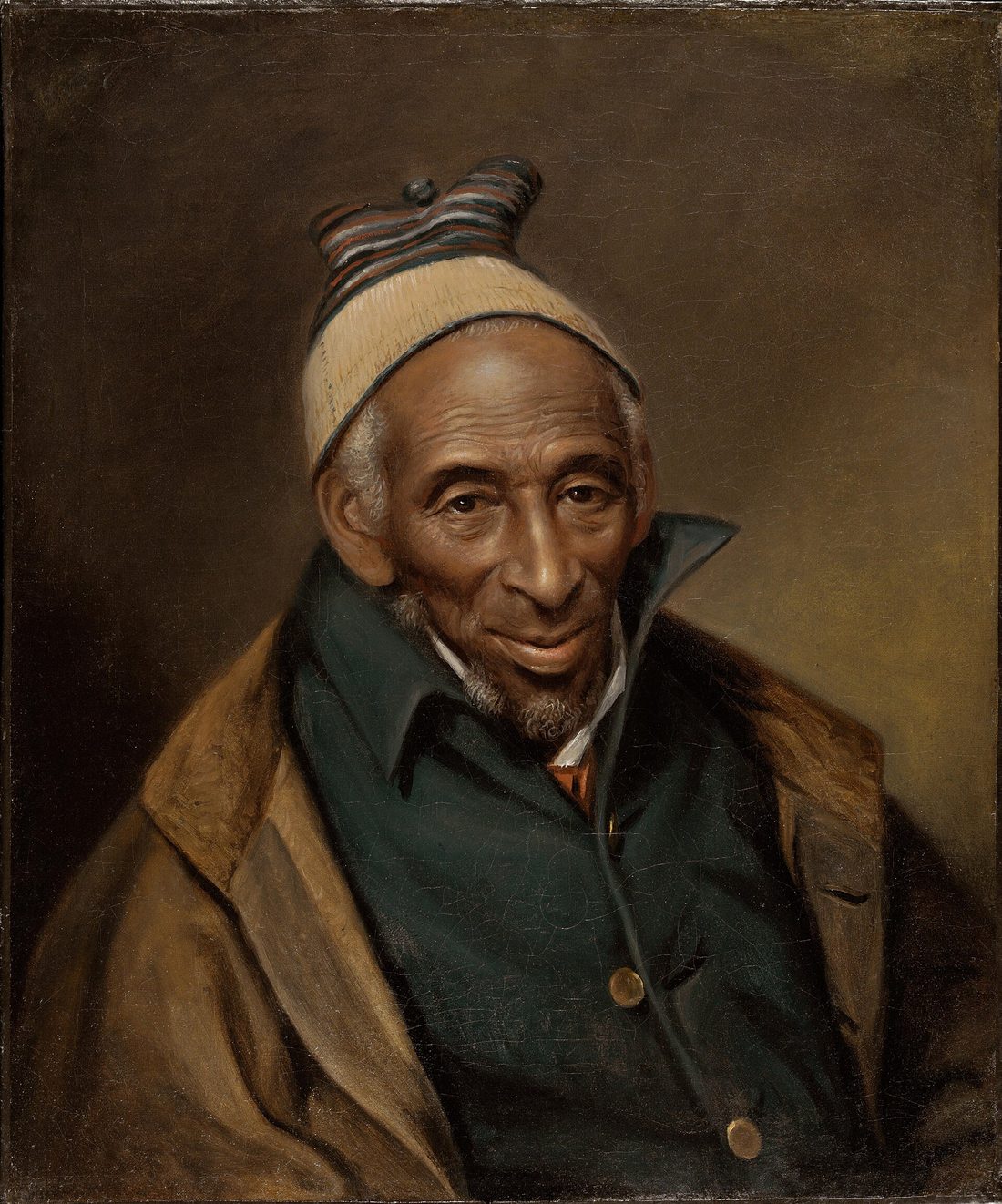
about 1736 to 1823
Yarrow Mamout
Maryland and Georgetown
Brought to Maryland about 1752, freed about 1796, a homeowner in Georgetown by 1800. Charles Willson Peale painted him in 1819.
Chapter IV: Across the Water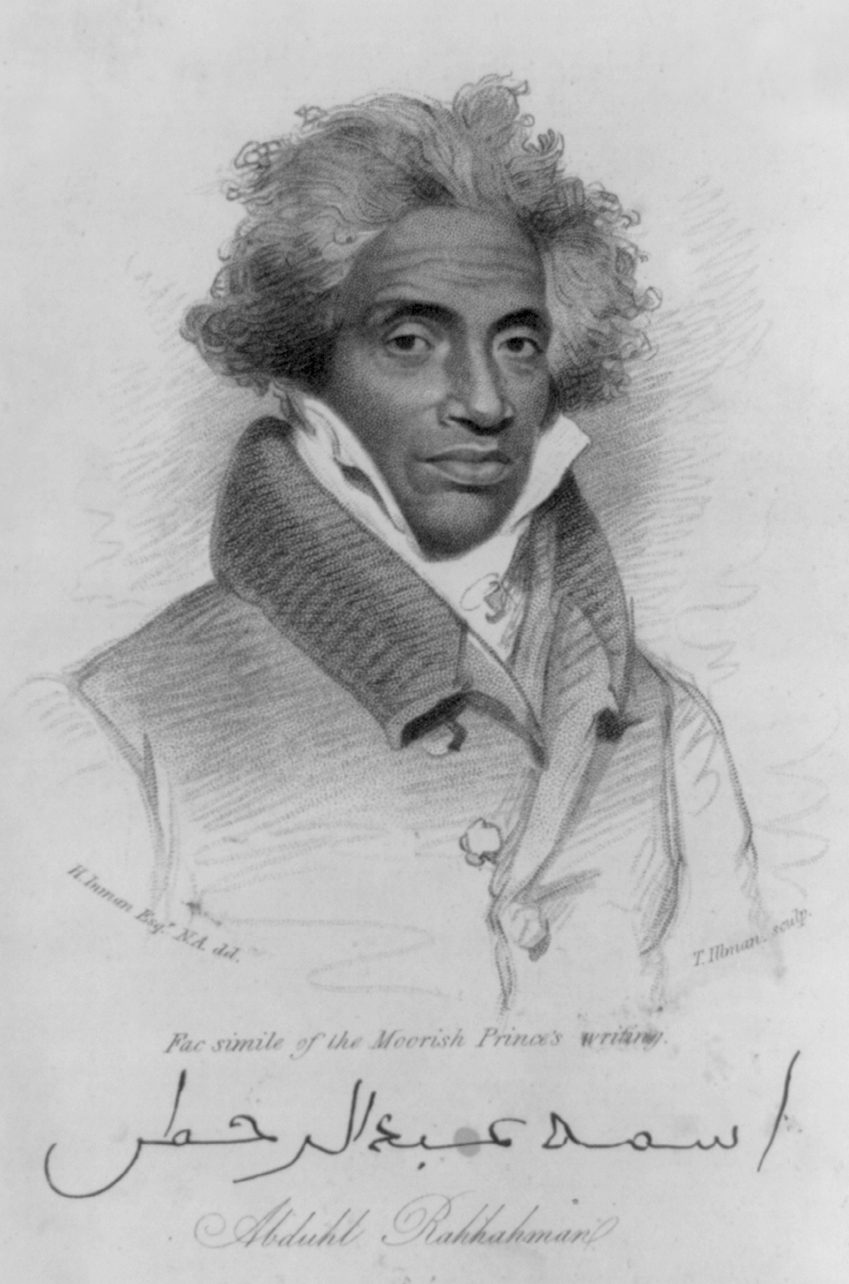
about 1762 to 1829
Abd al-Rahman Ibrahima
Timbo and Natchez
A prince of Futa Jallon, captured in 1788 and enslaved for about forty years in Mississippi. Freed in 1828, he died in Liberia the next year.
Chapter IV: Across the Water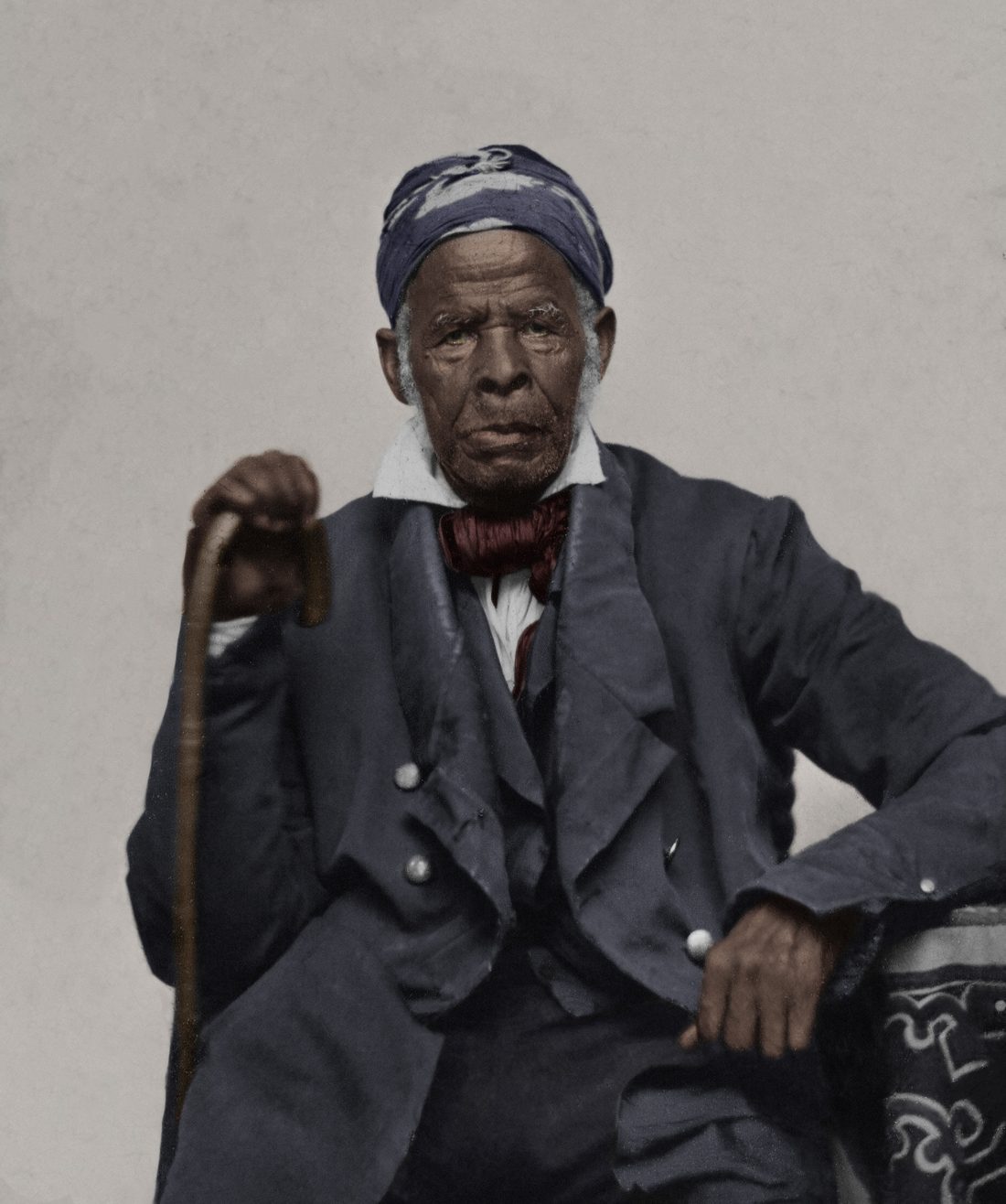
about 1770 to 1863
Omar ibn Said
Futa Toro, Charleston, North Carolina
A scholar taken to Charleston in 1807. In 1831 he wrote his life in Arabic, the only known surviving autobiography of its kind in America, opening it with verses from the Quran.
Chapter IV: Across the Waterdied about 1857
Bilali Muhammad
Futa Jallon and Sapelo Island
Head driver on Sapelo Island, Georgia, who wrote thirteen pages of Maliki law in Arabic from memory. His descendants still live on the island.
Chapter IV: Across the Waterfreed by 1834
Lamine Kebe
Futa Jallon and the American South
A schoolteacher enslaved for about thirty years. Before sailing for Liberia in 1835 he described the schools of his homeland to an American who wrote the account down.
Chapter IV: Across the Water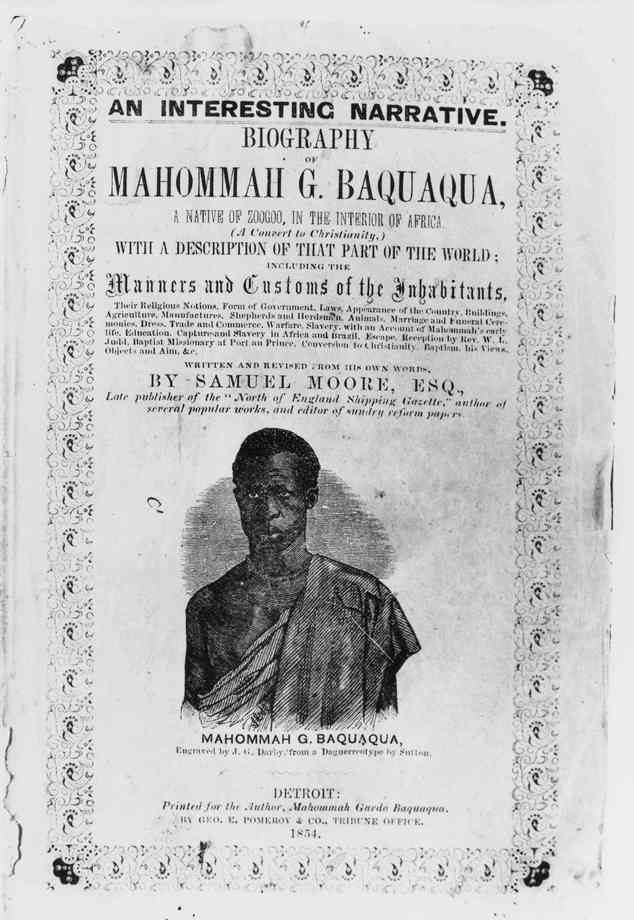
born about 1824
Mahommah Gardo Baquaqua
Djougou, Brazil, New York
Enslaved in Brazil, he walked off a ship in New York in 1847 and published his biography in Detroit in 1854.
Chapter IV: Across the Water